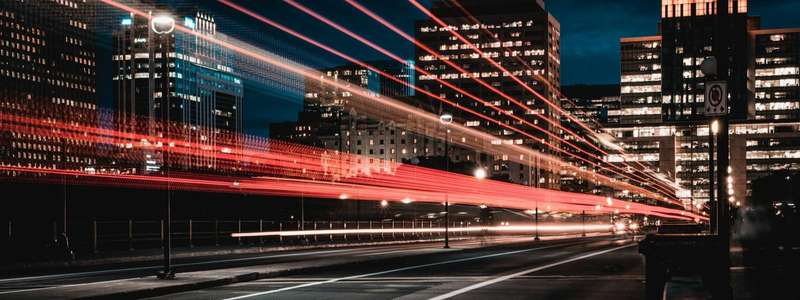
Light trails are one of the most captivating effects in photography - turning moving lights into vivid, streaking patterns that paint across your frame. Often it’s car headlights streaming through a city street or the twinkle of stars circling overhead, but whichever subject you choose, capturing light trails brings energy, depth, and a touch of magic to your photos.
In this article, let’s explore how light trail photography works and how you can start capturing it yourself.
Light trails occur when a moving light source is recorded over a long exposure. Instead of freezing a single moment, your camera’s shutter stays open to record the continuous movement of light - resulting in beautiful, fluid lines that capture time and motion in one image.
Common examples include:
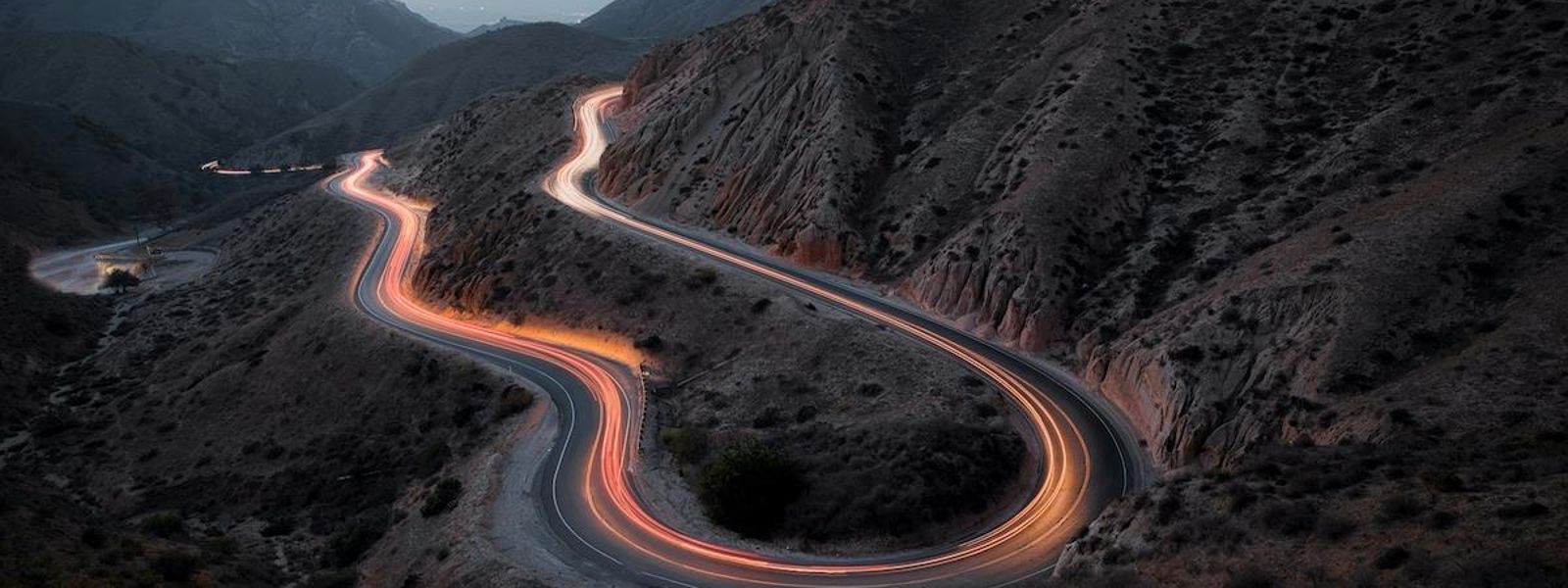
You don’t need expensive gear to start - you just need control over your camera’s manual settings. Follow these steps to get started:
High dynamic range, low noise, and manual control are key for light trail photography. Try these popular rental options:
Through Cameracorp’s beginner camera rental options, you can rent these models short-term and experiment before committing to a purchase.
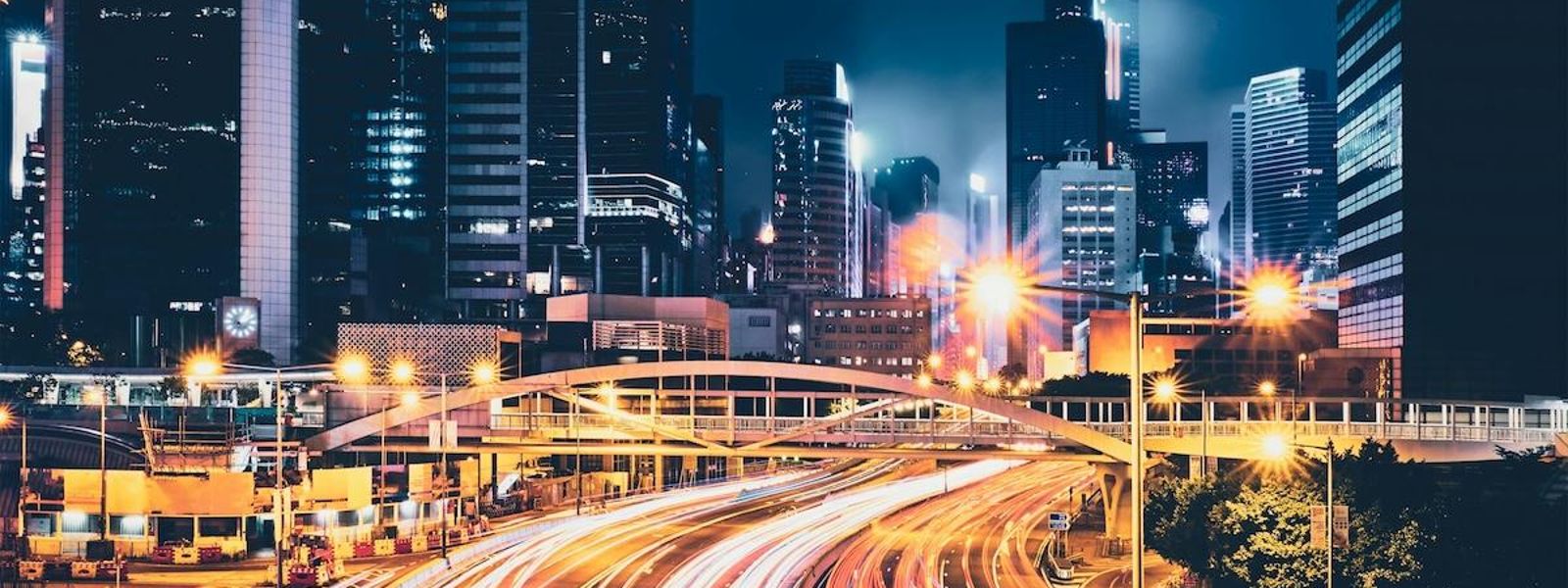
Light trails are proof that photography is as much about creativity as it is about technique. By understanding how light interacts with time, you can turn ordinary city scenes into breathtaking long-exposure art.
And with camera rentals provided through Cameracorp, you can test advanced cameras and accessories - from tripods to lenses - without the upfront cost. Rent for a shorter term, such as 6 months, experiment with different styles, and discover how easy it is to capture motion in a whole new way.
Start slow, keep experimenting, and watch your photography light up - literally.

Cameracorp Australia is a trading division of The Polygon Group Pty Ltd
More Ways to Fuel Your Passion
For over 35 years, The Polygon Group has been helping Aussies connect with what they love. Whether it's musical instruments, cameras, bikes or tech, we're here for the creators, the players, and the adventurers.





Choose a minimum rental period that suits your flexibility and affordability and simply return after the minimum rental period.

Privacy Documents | Complaints | Website Terms & Conditions of Use | Designed by Datalive Software
© 2025 The Polygon Group Pty Ltd
Cameracorp Australia is a trading name of The Polygon Group Pty Ltd
ABN 98 066 641 325 | Australian Credit License No. 412456
