
For anyone who’s serious about improving their photography, understanding RAW files is a game-changer. If you’ve been shooting only in JPEG, you might feel like your camera isn’t delivering the quality you expect - and that’s because JPEG compresses your images before you even start editing. By switching to RAW, you gain access to the full data captured by your camera’s sensor, which means more detail, more flexibility, and a better final result.
But what exactly are RAW photos, why do they matter, and how can you take advantage of them?
RAW files are often described as a digital negative. They are uncompressed, unprocessed files straight from your camera’s sensor, containing all the data captured in a shot. Unlike JPEGs, which automatically adjust sharpness, colour, and contrast before compressing, RAW leaves all of that control in your hands.
This means larger file sizes - sometimes 20–50 MB per photo, depending on the camera - but the trade-off is worth it if you want professional-quality results.

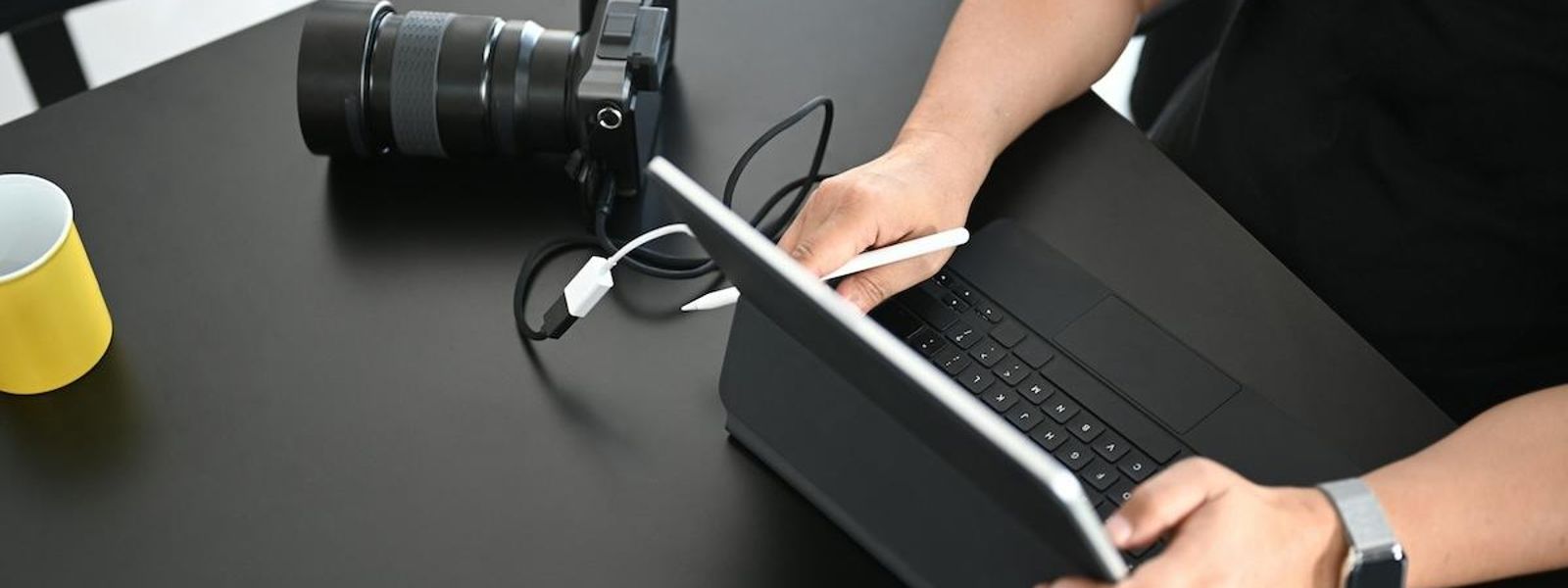
Some cameras handle RAW better thanks to high megapixels, large sensors, and dynamic range:
Not ready to invest? With camera rental Australia through Cameracorp Australia, you can rent these cameras for a single shoot or ongoing use - and even apply to buy later if you love it.
If you’re ready to level up your photography, shooting in RAW is the single most impactful change you can make. And thanks to Cameracorp Australia’s camera rental services, you can test out a range of cameras without the upfront investment. Renting lets you explore professional gear, see the difference in your workflow, and decide what’s worth owning long-term.

Cameracorp Australia is a trading division of The Polygon Group Pty Ltd
More Ways to Fuel Your Passion
For over 35 years, The Polygon Group has been helping Aussies connect with what they love. Whether it's musical instruments, cameras, bikes or tech, we're here for the creators, the players, and the adventurers.





Choose a minimum rental period that suits your flexibility and affordability and simply return after the minimum rental period.

Privacy Documents | Complaints | Website Terms & Conditions of Use | Designed by Datalive Software
© 2025 The Polygon Group Pty Ltd
Cameracorp Australia is a trading name of The Polygon Group Pty Ltd
ABN 98 066 641 325 | Australian Credit License No. 412456
